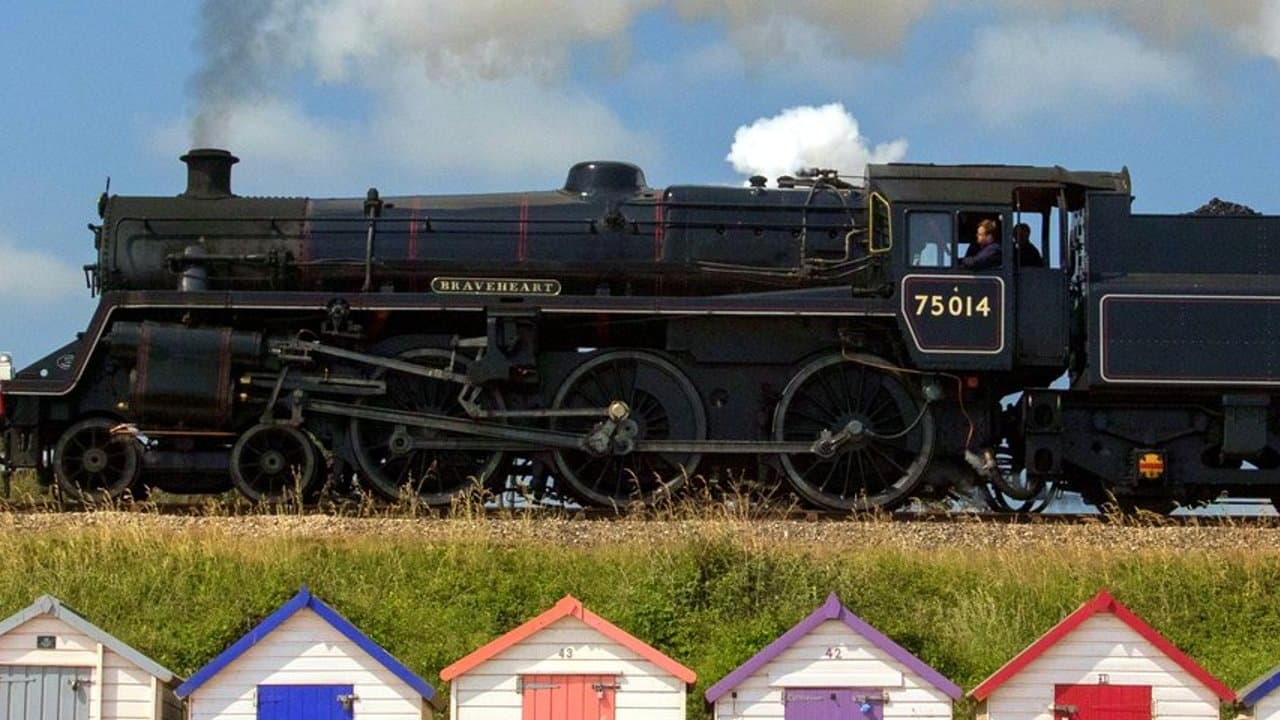
The sleek, green and grey Hitachi trains of Great Western Railway glide quietly into Didcot Parkway, a modern hub connecting London with the west. But from the platform, you can often hear something else entirely. It is a rhythmic hiss of steam, a sharp blast from a whistle, and the clanking of steel wheels on steel rails. This is the sound of the Didcot Railway Centre, a place where the history of the Great Western Railway is not just preserved, but is breathing, working, and alive.
Nestled in the corner of a modern railway junction, the centre is a remarkable time capsule. It is built around the original 1932 engine shed and its surrounding buildings, a genuine piece of GWR infrastructure saved from demolition. For anyone who loves trains, or for families looking for a truly engaging day out, it offers a direct, hands-on connection to the age of steam.
What is Didcot Railway Centre? Didcot is the home of the Great Western Society, a registered charity founded in 1961 by a group of schoolboys who wanted to save a GWR tank engine and a carriage. From that small beginning, it has grown into one of the country's most important railway preservation sites. Its collection is unique because it focuses almost exclusively on one company: the Great Western Railway, often called 'God's Wonderful Railway' by its admirers.
Unlike a traditional museum where exhibits sit behind ropes, Didcot is a living depot. On steaming days, locomotives are prepared, fired, and driven, just as they were a century ago. The site includes the original four-road engine shed, a 70-foot turntable, a coaling stage, and various workshops. It is a complete, authentic environment where you can experience the sights, sounds, and smells of a working steam railway depot.
Arriving and Getting Your Bearings One of the best things about Didcot Railway Centre is its location. It is directly accessible from Didcot Parkway station, making it one of the easiest heritage railways to reach by public transport. Regular services run from London Paddington, Oxford, Bristol Temple Meads, and across South England. You can check timetables and book tickets via National Rail.
From the station platform, you simply follow the signs to the centre’s entrance. The change from the modern station to the heritage site is immediate. You walk from the clean, quiet world of 21st-century travel into a sprawling yard of track, signals, and imposing brick buildings. The air smells different here, a mixture of coal smoke, hot oil, and metal. The site is large but manageable, with a logical layout that follows the path an engine would have taken during its servicing.
The Heart of the Action: The Engine Shed The magnificent engine shed is the centrepiece of your visit. Stepping inside is like walking into a vast hall of steam. Light streams down from the high windows, illuminating the locomotives resting between duties. The shed was built to house and service the engines that worked the lines radiating from Didcot. Today, it serves the exact same purpose for the preserved fleet.
You can walk freely between the engines. This is where you can really grasp the scale of these machines. The driving wheels of an express engine tower over an adult, and the complex network of pipes, rods, and levers is something to study up close. It is a moment where children and adults alike can get a sense of the powerful engineering that drove Britain for over a century. You can peer into the cabs, see where the driver and fireman worked, and imagine the heat and noise of the footplate.
Riding the Rails: The Demonstration Lines Didcot has two short railway lines where you can experience a ride in a vintage carriage, pulled by a steam engine. These are not long journeys through the countryside, but they are an essential part of the visit. They are designed to demonstrate how the trains worked within the depot environment and to give you a taste of GWR travel.
The Branch Line The branch line simulates a trip on a rural GWR branch. The train travels from Didcot Halt to a station at the far end of the site called Oxford Road. You sit in beautifully restored carriages with slam doors and comfortable moquette seats. The short journey gives you a wonderful view of the entire site, passing the engine shed and coaling stage.
One of the engines you might find pulling this train is a GWR 14XX 0-4-2T. These were the perfect engines for light passenger work. The numbers, known as Whyte notation, describe the wheel layout. So '0-4-2' means no leading wheels, four powered driving wheels, and two trailing wheels. The 'T' means it is a tank engine, carrying its water in tanks on the locomotive itself. The centre is home to No. 1466, a locomotive that once worked on the Wallingford branch line nearby. A similar engine, No. 1450, is preserved as Cheltenham (GWR 14XX) on the Dean Forest Railway.
The Main Line A second track runs parallel to the modern railway, representing the main line. Here, a slightly larger locomotive might be used to pull a train of suburban carriages. This ride provides a brilliant, and often noisy, contrast. On one side you have the heritage world of the railway centre, and on the other, modern high-speed trains race past on their way to Bristol or Swansea. It is a living diagram of railway evolution.
Giants of Steam: Key Locomotives and Exhibits Didcot is home to a nationally important collection of GWR locomotives. While the specific engines in steam or on display can vary, the collection tells the complete story of GWR motive power.
The GWR 'Castle' Class: Power and Prestige For many, the 'Castle' class represents the high point of GWR passenger locomotive design. Designed by Charles Collett and introduced in 1923, they were powerful, fast, and elegant. They hauled the GWR's most prestigious expresses, including the famous Cheltenham Spa Express. For a time, they were the most powerful passenger engines in Britain.
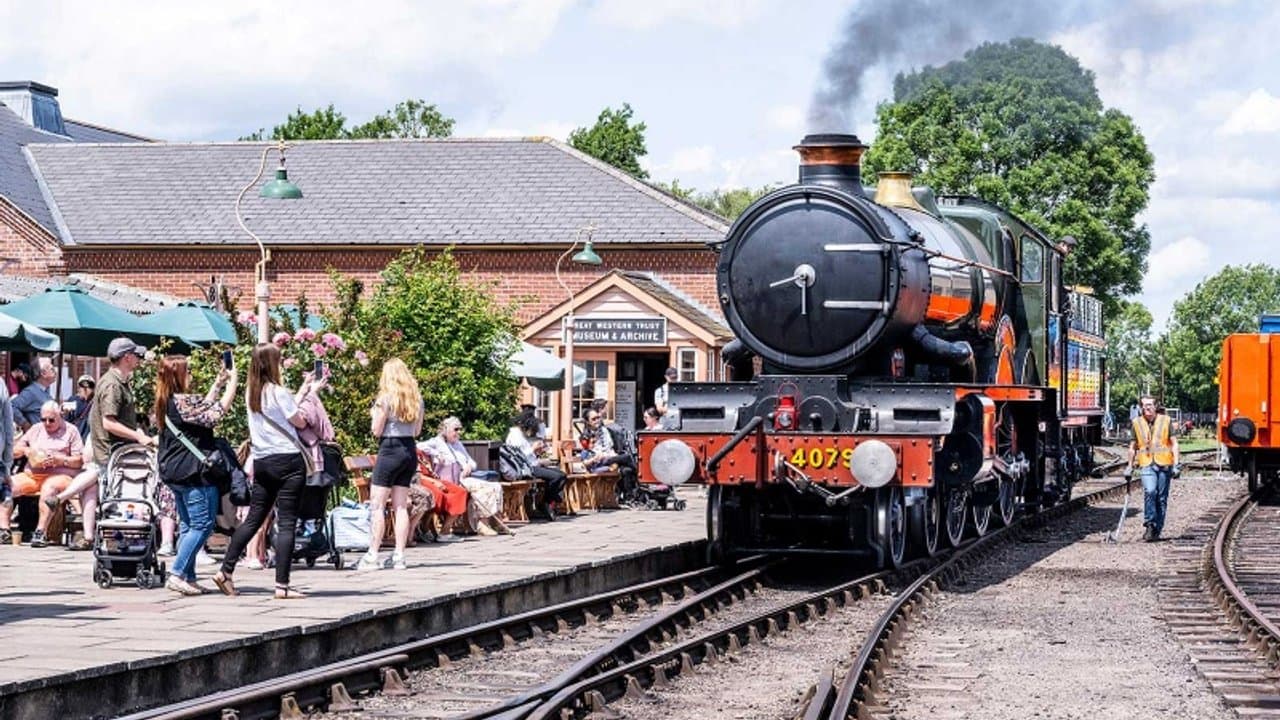
Didcot is home to No. 4079 Pendennis Castle, a celebrity engine with a fascinating history. After being withdrawn by British Railways, it was sold to a private owner and eventually ended up working in Australia for many years before being repatriated and restored at Didcot. Its long journey home shows just how much people still admire these powerful engines. Another resident is No. 5029 Nunney Castle, a regular performer on the main line today. While the very first of the class, No. 4073 Caerphilly Castle (GWR 4073), is now part of the national collection at the STEAM Museum in Swindon, the Castles at Didcot provide a clear look into this legendary design.
The GWR 'King' Class: The Ultimate Express Engine If the Castles were powerful, the 'King' class was another level entirely. Introduced in 1927, these were the largest and most powerful express locomotives ever built for the GWR. They were designed specifically for the heaviest London to Plymouth and London to Wolverhampton services. Only 30 were ever built, and their size is genuinely impressive.
Didcot is the base for No. 6023 King Edward II. Seeing this engine up close helps you understand why people call these machines 'steam giants'. Its restoration from a scrapyard condition was one of the most ambitious projects ever undertaken in preservation, and its presence at Didcot is a huge achievement for the Great Western Society.
The Workhorses: Pannier Tanks and Prairie Tanks Not every engine was a glamorous express locomotive. The GWR built hundreds of smaller, versatile tank engines that did the essential, everyday work. The most recognisable of these is the Pannier Tank, so-called because its water tanks are slung on either side of the boiler, like panniers on a donkey. These 0-6-0PT engines were everywhere on the GWR network, shunting in goods yards, pulling local passenger trains, and working on industrial lines. They were simple, rugged, and reliable, and Didcot has several fine examples.
'Prairie' tanks, with their 2-6-2 wheel arrangement, were another GWR speciality. They were larger than the Panniers and were commonly used on suburban and commuter services in and out of big cities.
Back to the Beginning: Brunel’s Broad Gauge The Great Western Railway started life very differently. Its creator, the engineering genius Isambard Kingdom Brunel, chose a track gauge (the distance between the rails) of 7 feet and a quarter inch. This 'broad gauge' was much wider than the 'standard gauge' of 4 feet 8 and a half inches used by most other railways. Brunel believed it would offer greater speed and stability, making his GWR the finest railway in the world.
While the broad gauge was ultimately abandoned in 1892 in a massive operation to make all tracks standard, Didcot keeps its memory alive. The centre has a working replica of a broad gauge locomotive, Fire Fly, and a section of broad gauge track. Seeing this reconstruction is a glimpse into the very earliest days of railway travel and the bold vision of Brunel.
More Than Just Engines A railway is more than just its locomotives. Didcot’s collection includes everything needed to run a railway.
The Carriage Shed Here you can see a carefully restored collection of GWR carriages. You can walk through them and see how travel changed over the years, from the ornate interiors of Victorian coaches to the more functional designs of the 1930s and 40s. The quality of the original woodwork and upholstery is plain to see, a real contrast to modern train interiors.
The Signalling Centre Understanding how railways operate safely is just as interesting as seeing the engines. Didcot has a fully operational GWR signal box, moved from Radstock North in Somerset. Volunteers are often on hand to demonstrate how the system of levers, bells, and block instruments worked. Pulling one of the heavy levers (with permission!) helps you understand the strength and concentration a signalman needed to keep the trains moving safely.
The Coaling Stage Looming over the site is the massive, reinforced concrete coaling stage. This is a rare survivor of a once-common piece of railway architecture. Most were demolished when steam ended. Wagons full of coal would be winched to the top and their contents tipped into huge bunkers. From there, coal could be dropped directly into the tender of a waiting locomotive below. You can walk underneath this impressive structure and imagine the dusty, noisy work that went on here day and night.
A Living Museum What truly makes Didcot special is the people. The centre is run by the Great Western Society and powered by an army of dedicated volunteers. They are the ones restoring the engines, driving the trains, staffing the signal box, and sharing their knowledge with visitors. Their enthusiasm is obvious, and they are usually very happy to answer questions, which brings the whole place to life.
The centre also hosts numerous special events throughout the year, from steam galas where visiting engines join the home fleet, to transport rallies and family fun days. It is always worth checking the official Didcot Railway Centre website to see what is on before you plan a trip.
Didcot Railway Centre offers a thorough and convincing look at a GWR steam depot. It is more than a collection of old machines. It is a working site that shows a past world of industry, engineering, and travel. By preserving not just the locomotives but also the buildings, the skills, and the atmosphere of a working depot, it gives visitors a genuine sense of what it was like to be part of God's Wonderful Railway.