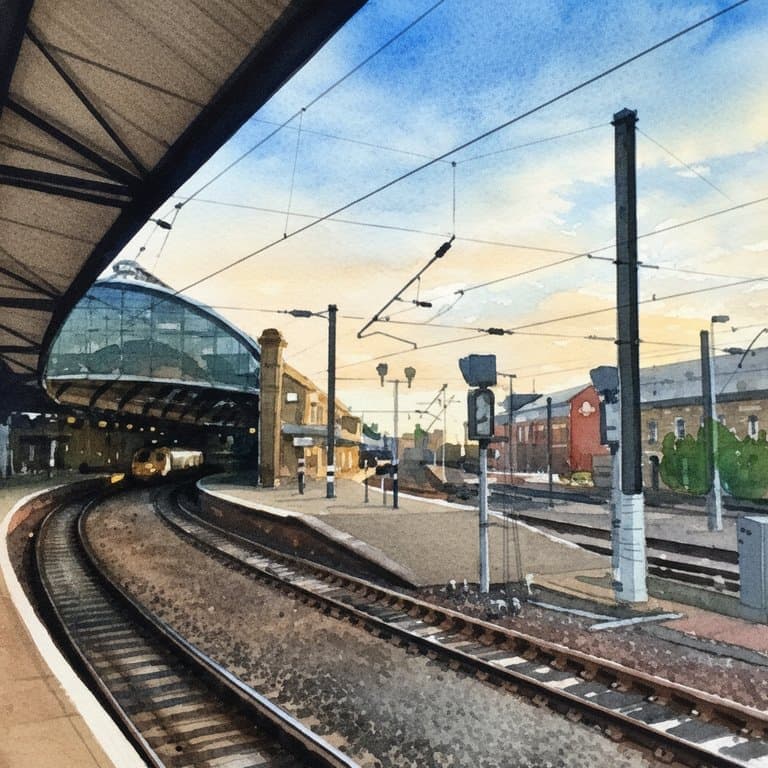
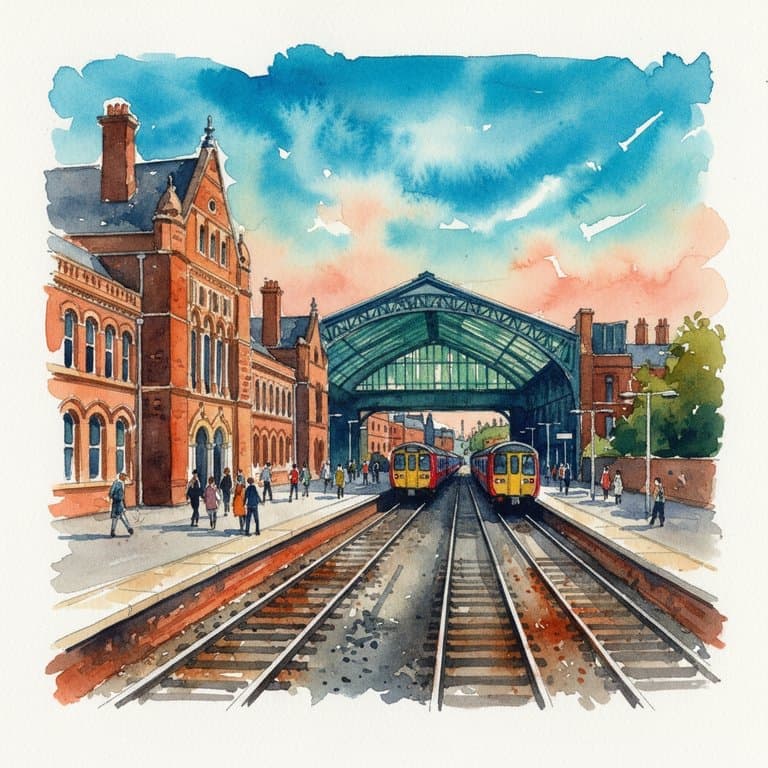
The East Coast Main Line is Britain's racing line. Straighter and flatter than its west-side rival, it's where the Flying Scotsman ran non-stop to Edinburgh and where Mallard hit 126 mph in 1938, a steam record that still stands today. If you're heading from London to Yorkshire, the North East or Scotland, this is your route.
Here's the line in stages, with every major stop along the way.
London to Peterborough
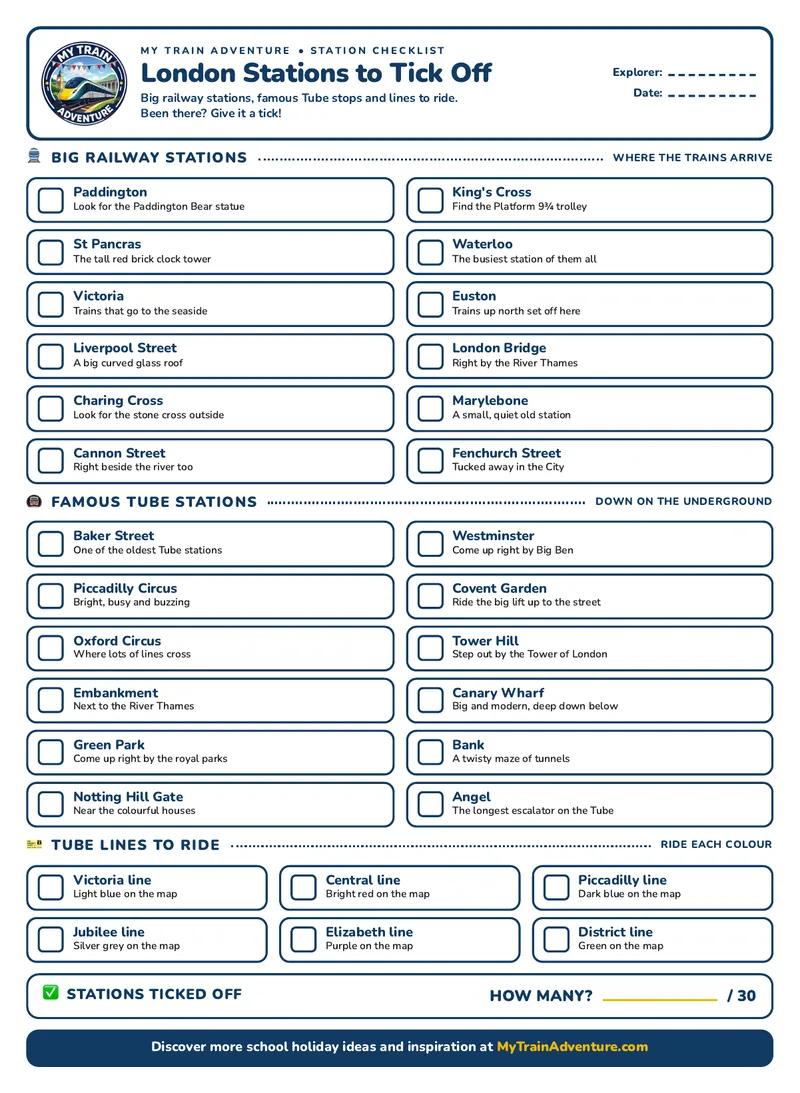
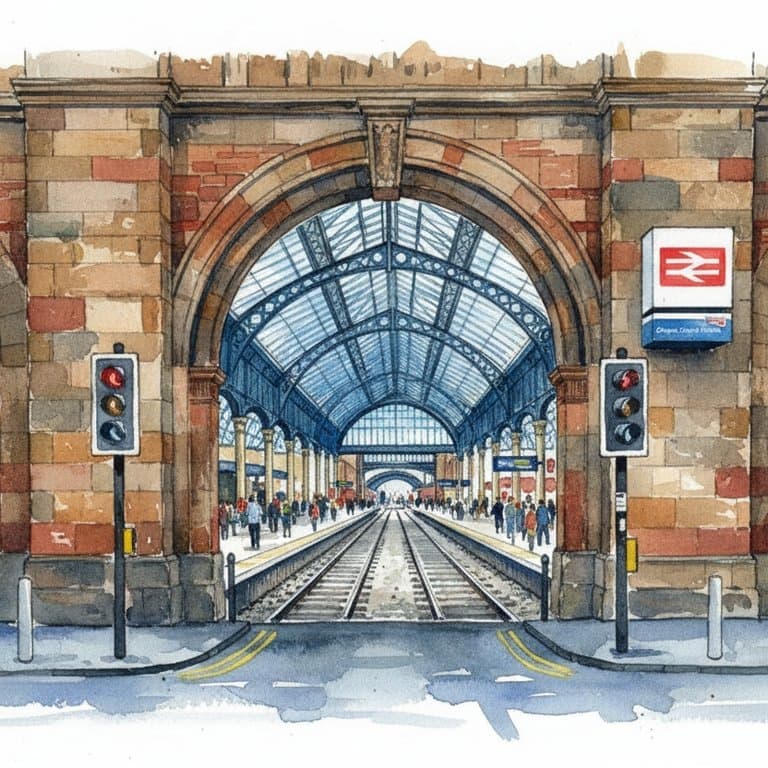
The journey starts at London King's Cross, home of Platform 9¾ and one of the most handsome train sheds in the country. Trains burst out through Gasworks Tunnel and settle quickly into high-speed running. Stevenage serves the Hertfordshire new town, then the line crosses the Digswell Viaduct and opens out into flat, fast fenland country.
Peterborough is the first major stop, a junction city where lines from East Anglia and the Midlands feed in. The next 30 miles north are the fastest stretch of the route. Stoke Bank, just south of Grantham, is where Mallard made history.
Through Lincolnshire and South Yorkshire
Grantham and Newark Northgate serve Lincolnshire, with Newark notable for its flat crossing, the place where the East Coast Main Line crosses another railway on the level, a rarity in Britain. Retford follows, then Doncaster, a proud railway town. Its works built both Flying Scotsman and Mallard, and the station still watches a constant parade of expresses and freight.
York to Newcastle
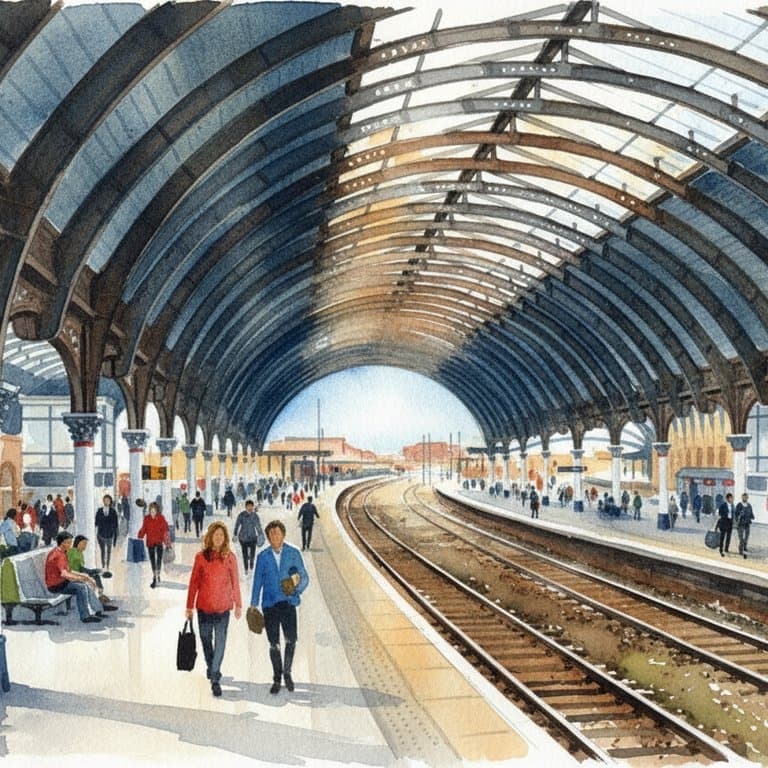
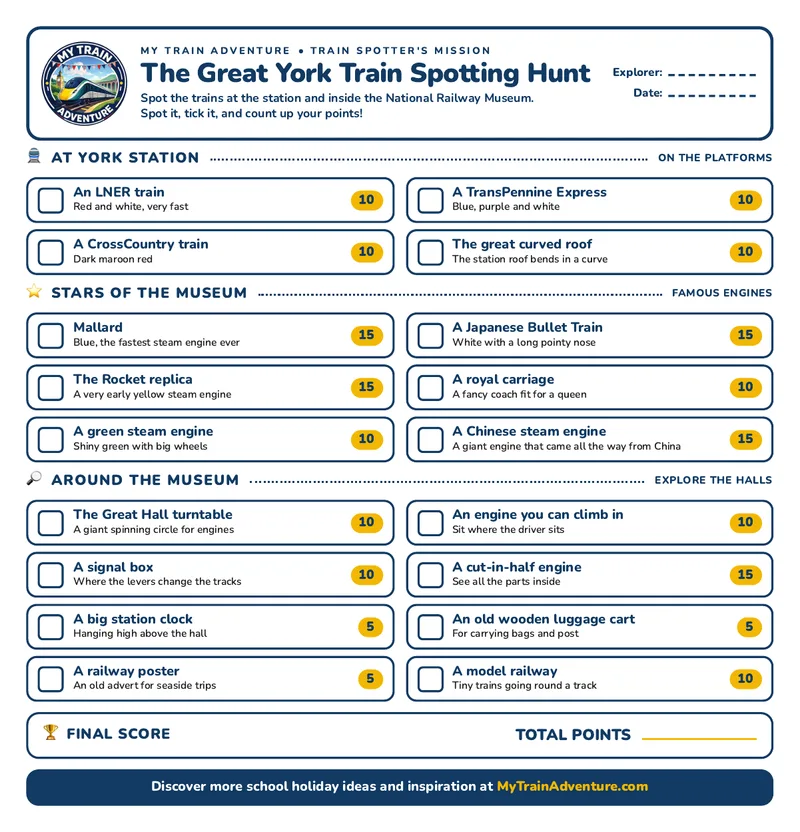
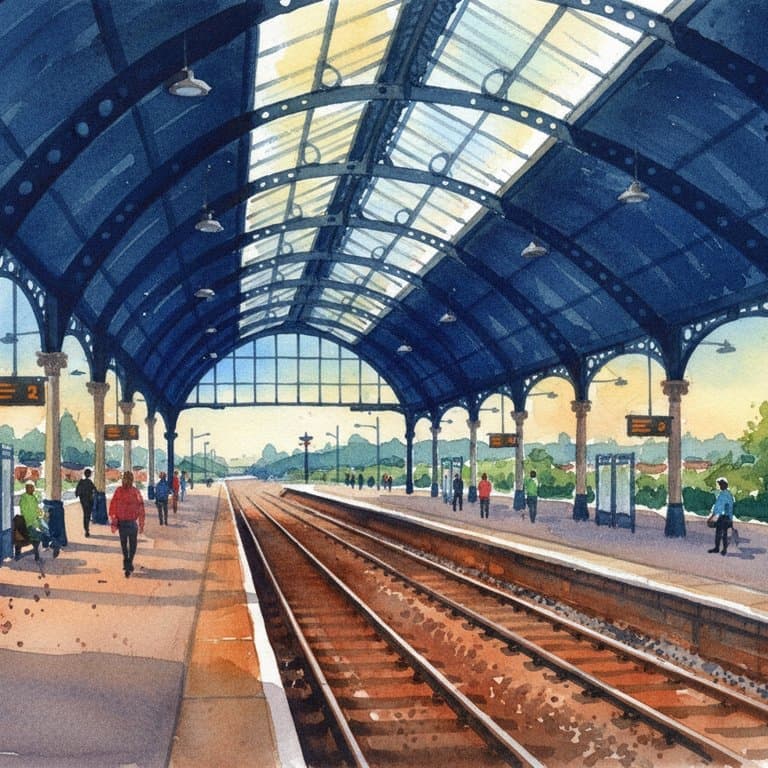
York deserves a stop in its own right. The great curved roof of 1877 was the largest station in the world when it opened, and the National Railway Museum sits right next door. If you've got children with you, it's the single best railway day out in Britain, and it's free. Worth building a whole day around, and our school holiday printables will keep them busy on the train there.
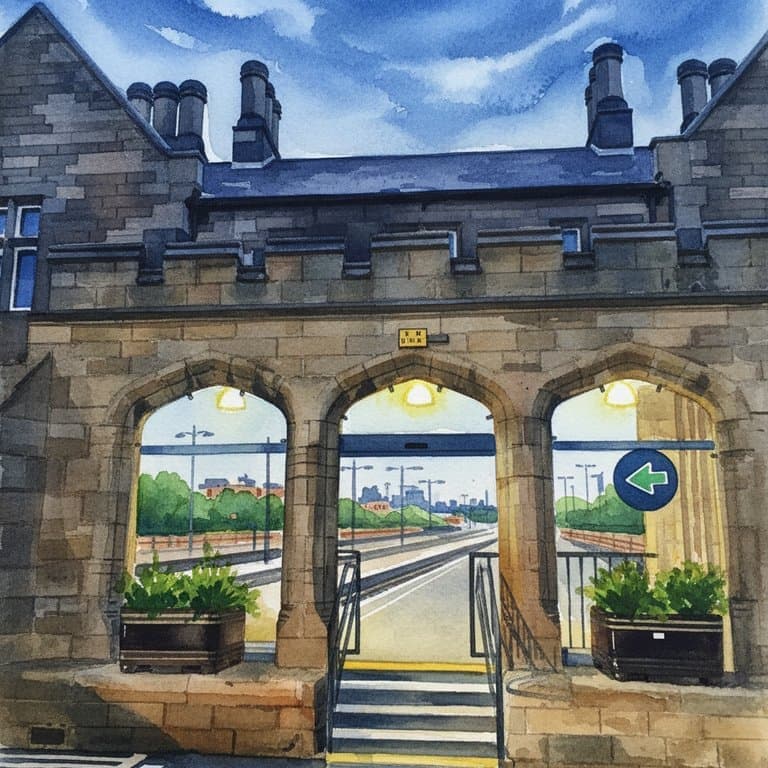
North of York the line runs arrow-straight across the Vale of York to Northallerton and Darlington, where the world's first public steam railway opened in 1825. Durham follows with the finest view from any train window in England: the cathedral and castle rising above the Wear. Minutes later trains cross the Tyne into Newcastle Central, under its sweeping Victorian portico.
The coast to Edinburgh
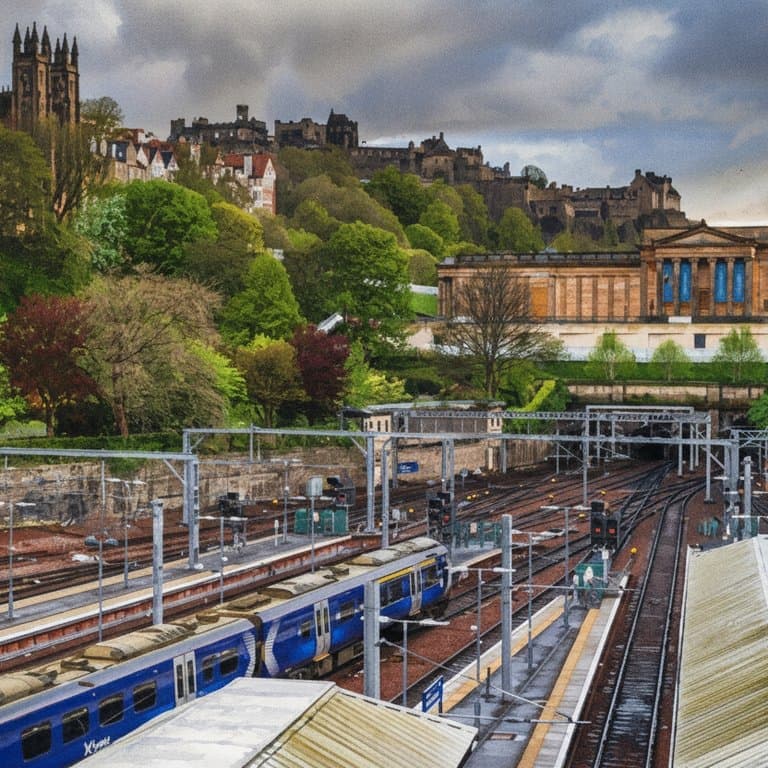
The final stage earns the line its name. After Morpeth and Alnmouth, the route hugs the Northumberland coast with views of Lindisfarne and Bamburgh Castle on a clear day. At Berwick-upon-Tweed it crosses Robert Stephenson's Royal Border Bridge, 28 arches high above the Tweed, then runs the Scottish coast past Dunbar before diving into the heart of the capital at Edinburgh Waverley, the only station in the world named after a novel.
Every major stop at a glance
- London King's Cross
- Stevenage
- Peterborough
- Grantham
- Newark Northgate
- Retford
- Doncaster
- York
- Northallerton
- Darlington
- Durham
- Newcastle Central
- Morpeth
- Alnmouth
- Berwick-upon-Tweed
- Dunbar
- Edinburgh Waverley
Worth knowing before you travel
Sit on the right heading north. You'll get the cathedral at Durham, the Tyne crossing at Newcastle and the whole Northumberland coast. LNER's Azumas run most services, with Lumo offering budget fares on the London to Edinburgh run.
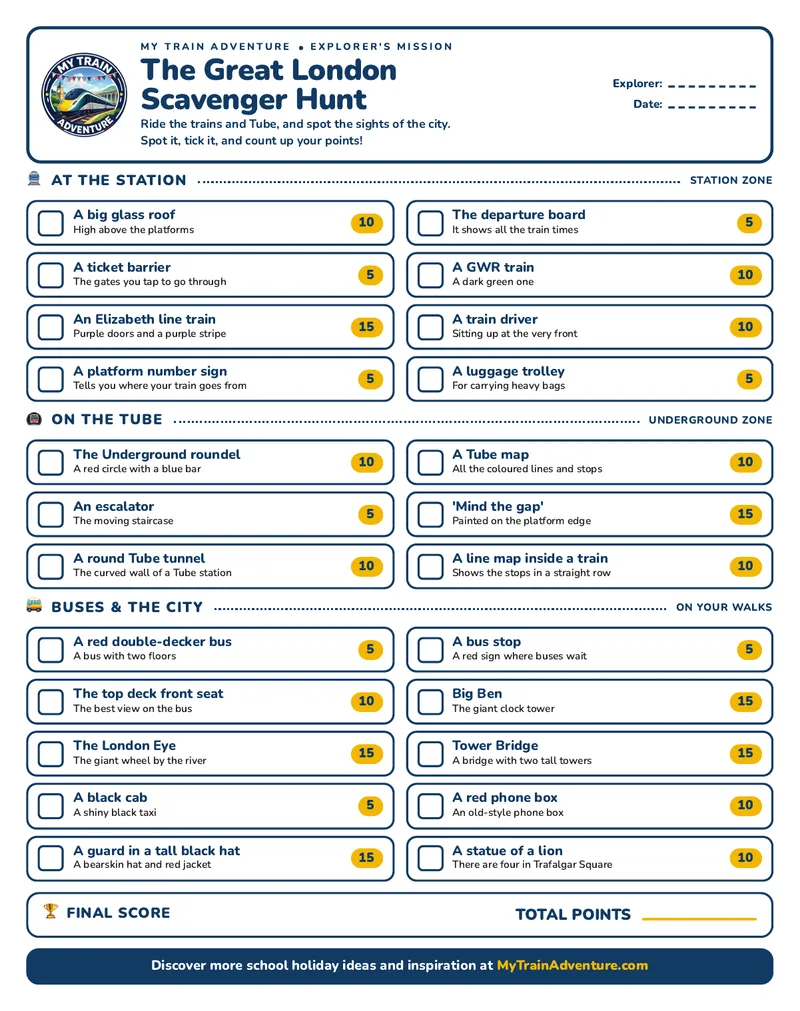
Can't decide between this route and the West Coast? We've compared them properly in East Coast vs West Coast Main Line, and there's a companion guide to the West Coast Main Line's stops too. Seven of the stations above have their own cards in My Train Adventure, so the East Coast route is a fine way to grow your collection.