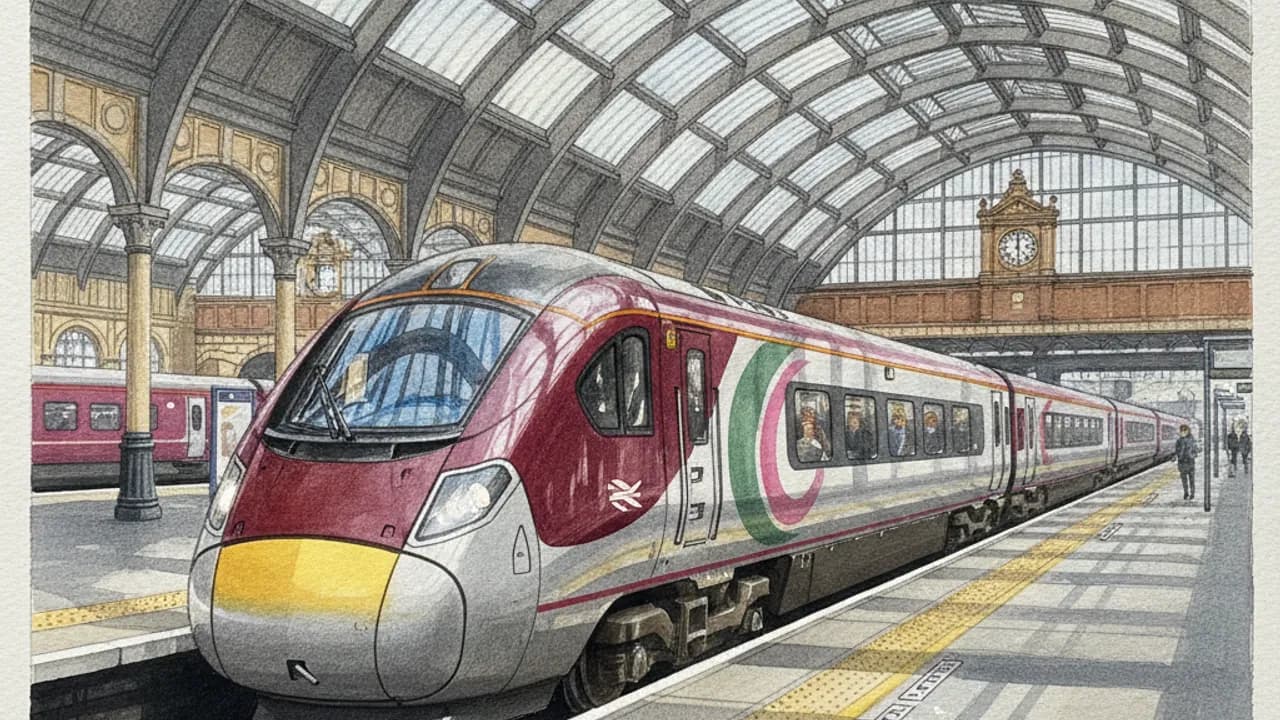
If you've ever wondered exactly which stations sit on the West Coast Main Line, here's the answer in one place. The core route runs from London Euston to Glasgow Central and calls at around nineteen principal stations along the way, with branches serving Birmingham, Manchester and Liverpool.
Not every train stops everywhere. The fastest Avanti West Coast expresses skip most of the smaller stops, while regional and commuter services fill in the gaps. What follows is the full list of the main calling points, in order from south to north.
The full list of West Coast Main Line stations
Reading top to bottom takes you from the capital to Scotland. The stations with their own guide are linked, so you can read more about the ones that catch your eye.
- London Euston, the southern terminus
- Watford Junction, for west Hertfordshire
- Milton Keynes Central, for north Buckinghamshire
- Rugby, where the Birmingham and Trent Valley arms divide
- Nuneaton, on the Trent Valley route
- Tamworth, on the Trent Valley route
- Lichfield Trent Valley, Staffordshire
- Stafford, where the Birmingham arm rejoins the main line
- Crewe, the great railway junction
- Warrington Bank Quay, Cheshire
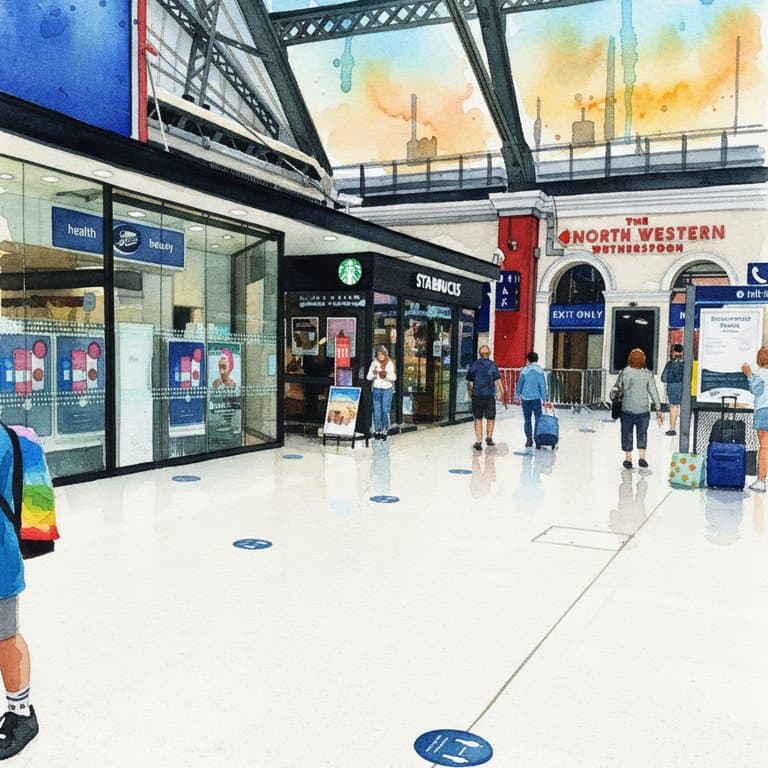
- Wigan North Western, Greater Manchester
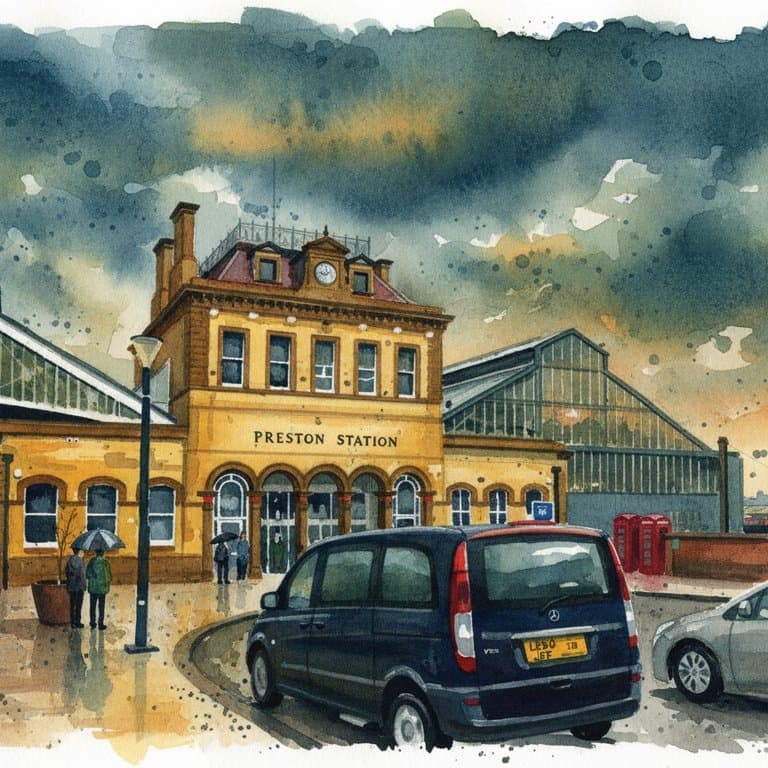
- Preston, Lancashire
- Lancaster, for the city and the coast
- Oxenholme Lake District, for Kendal and Windermere
- Penrith North Lakes, for Ullswater
- Carlisle, the last stop in England
- Lockerbie, Dumfries and Galloway
- Motherwell, North Lanarkshire
- Glasgow Central, the northern terminus
The branches you should know about
Three of Britain's biggest cities sit just off the main line rather than on the spine itself, reached by direct trains that leave the core route and come back to it.
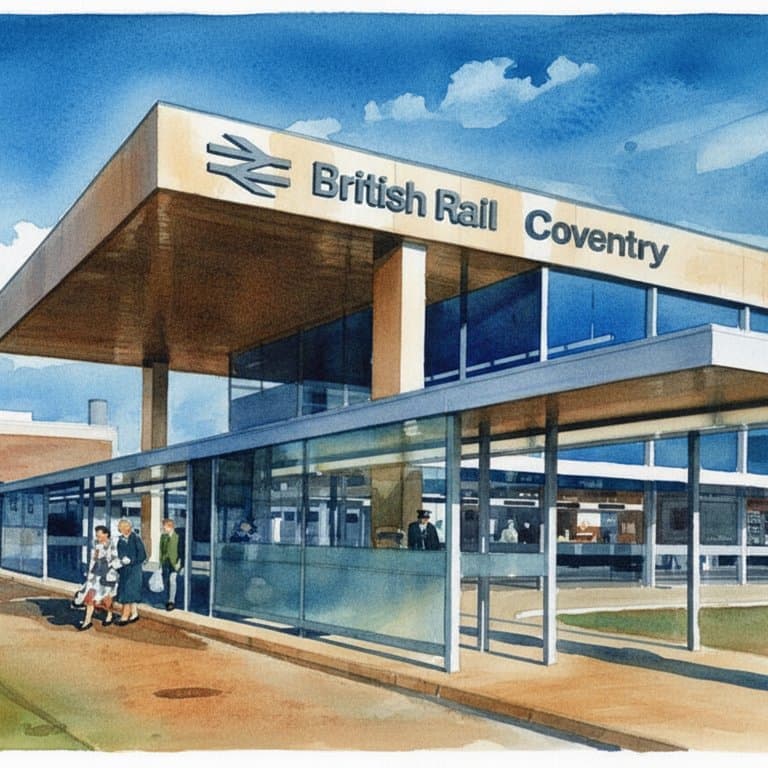
The Birmingham arm leaves the main line at Rugby and runs through Coventry and Birmingham International to Birmingham New Street, the busiest station outside London, then on through Wolverhampton before rejoining at Stafford. Stoke-on-Trent sits on its own loop through the Potteries, used by many Manchester trains.
Both routes run through Crewe, the most famous junction in Britain, where six routes meet and trains for Manchester, Liverpool, North Wales and Scotland have gone their separate ways for well over 180 years. North of there the Manchester branch heads for Manchester Piccadilly and the Liverpool branch for Liverpool Lime Street, the oldest still-operating intercity terminus in the world.
How many stations are on the West Coast Main Line?
The honest answer is that it depends on where you draw the line. Stick to the principal London to Glasgow calling points and you get around nineteen. Count the branches to Birmingham, Manchester and Liverpool, plus the dozens of commuter stations on the busy southern sections, and the figure climbs well into the dozens. It's why the West Coast Main Line is often described as the busiest mixed-traffic railway in Europe.
Planning a journey along the line
This page is the quick reference. If you'd rather read the route as a proper journey, with what to see at each stage and the history behind the great junctions, we've written that up in full in West Coast Main Line Stops: London Euston to Glasgow. And if the east side of the country is more your route, East Coast vs West Coast Main Line puts the two great lines head to head.
If you're collecting stations in My Train Adventure, the West Coast route is one of the richest seams in the game. Plenty of the stops above have their own station cards waiting to be found.